

Commercial
A workplace has to earn its light. The system reads the daylight already in the room, notices which spaces are being used, and spends electricity only where it is doing something — across a floor, a building, or a campus.
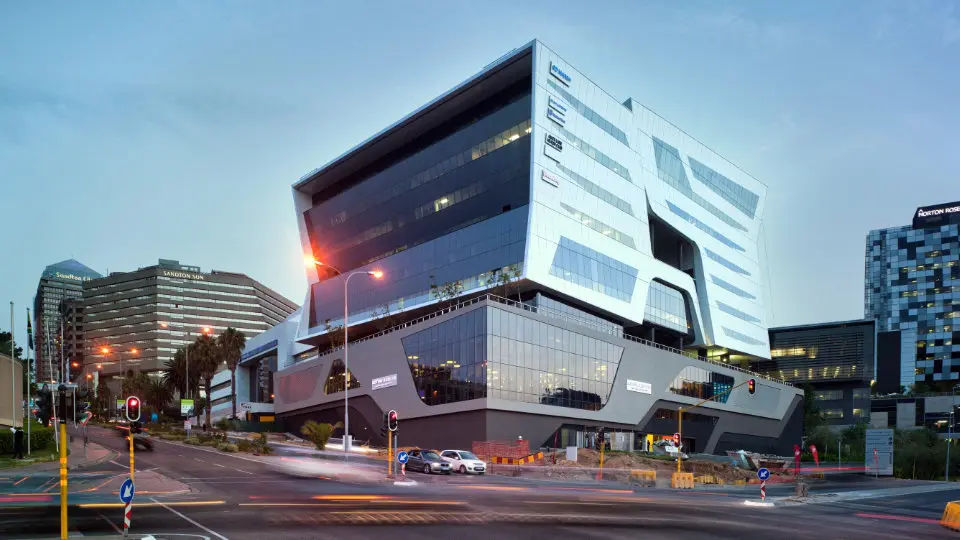
How the building runs itself
- Daylight
- Ceiling sensors measure the light already in the room and dim the fittings to hold one steady level. A bright morning costs nothing, and nobody notices the handover.
- Occupancy
- Spaces light when they are used and fall back when they are not. The same sensors quietly become a record of how the building is actually occupied.
- Sun
- Shades track the sun through the day, allowing for cloud, for shadow thrown by neighbouring buildings, and for glare bouncing off the glass next door.
- Schedule
- Time-of-day and sunrise/sunset schedules run both lights and shades, and the rules change after hours — sensors that stay out of the way during the working day take over in the evening.
- Demand
- On a peak-period signal the building sheds a set share of its lighting output, without anyone touching a switch or noticing the difference.
What we bring together
- Light management
- Every load type on one system, zoned and scened in software rather than in conduit — so a room that changes use is reprogrammed, not rewired. Where walls move, the controls re-map with them.
- Shading
- Motorised roller shades, skylight shades and drapery on the same system as the lighting, moving with the sun rather than against it, and taking heat off the cooling load.
- Oversight
- A floorplan of the building on screen. Adjust an area or a single fitting, on site or remotely, with energy and activity reporting behind it and alerts when a driver or lamp fails.
The control itself
The control the room actually needs
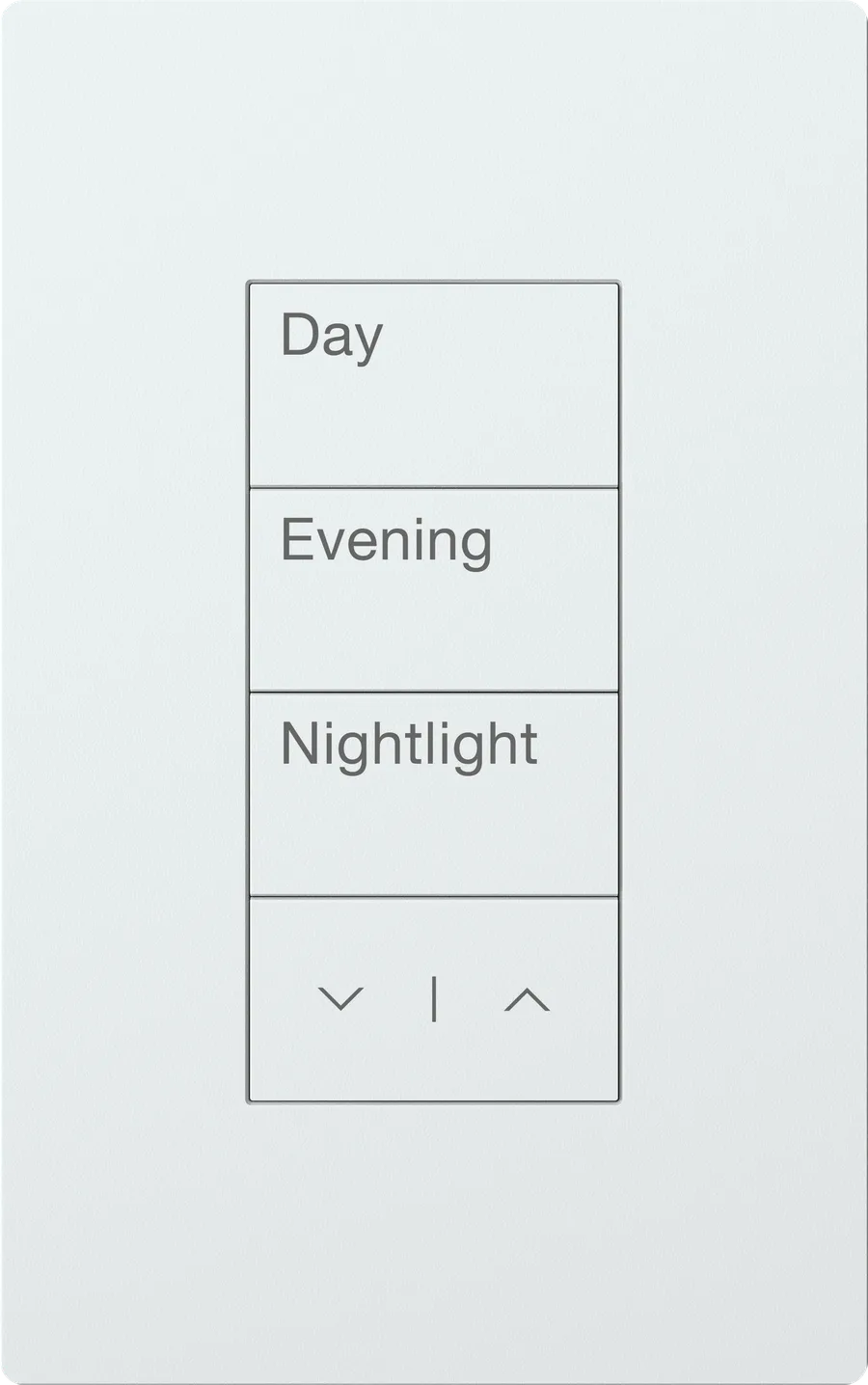
A boardroom, a lobby and a stairwell do not want the same switch. The range runs from a two-button plate to a scene controller with the floor’s presets on it, in the finish the interior calls for — one system behind all of them, re-programmed in software rather than rewired.
- Palladiom · satin nickel
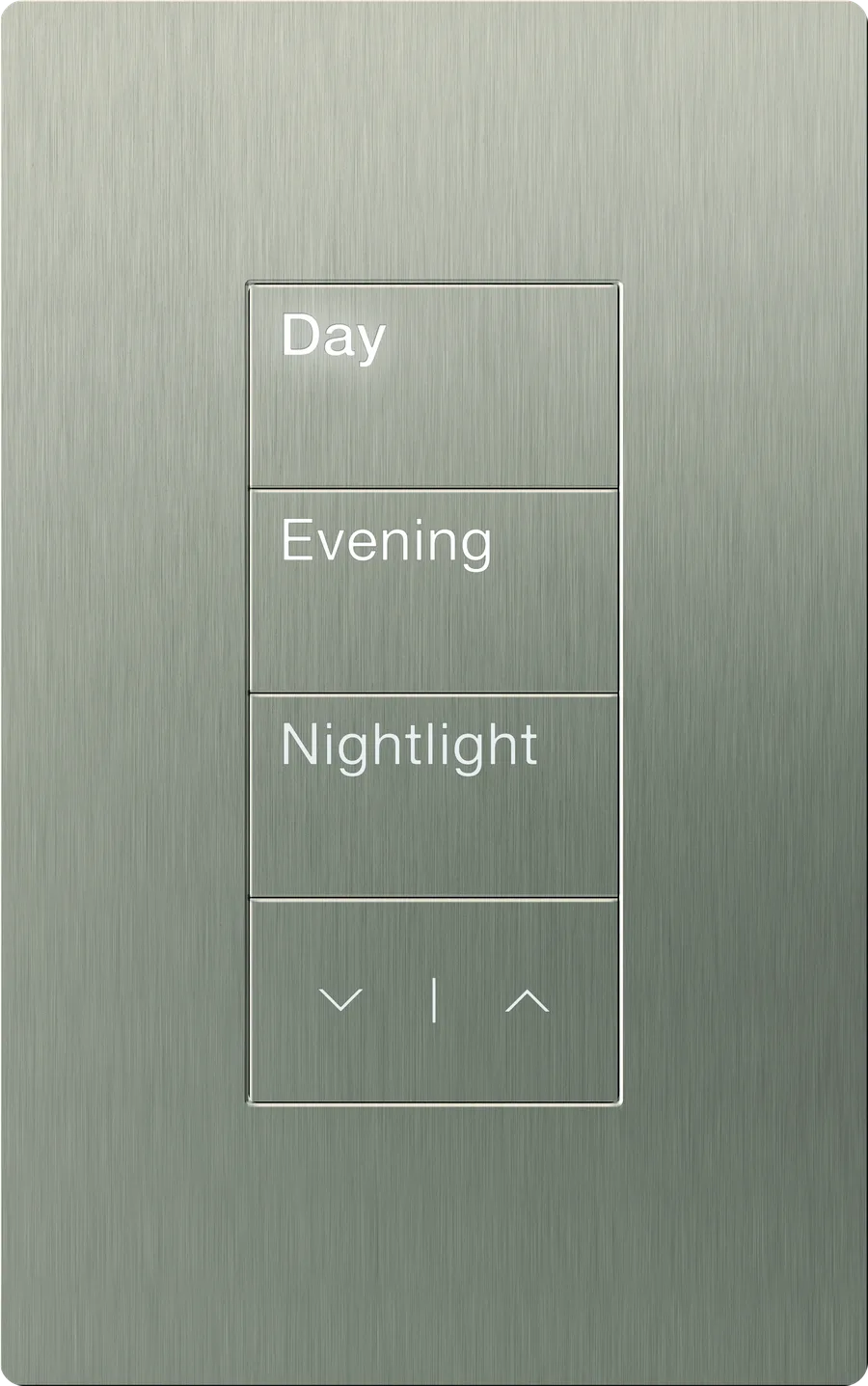
- Palladiom · graphite
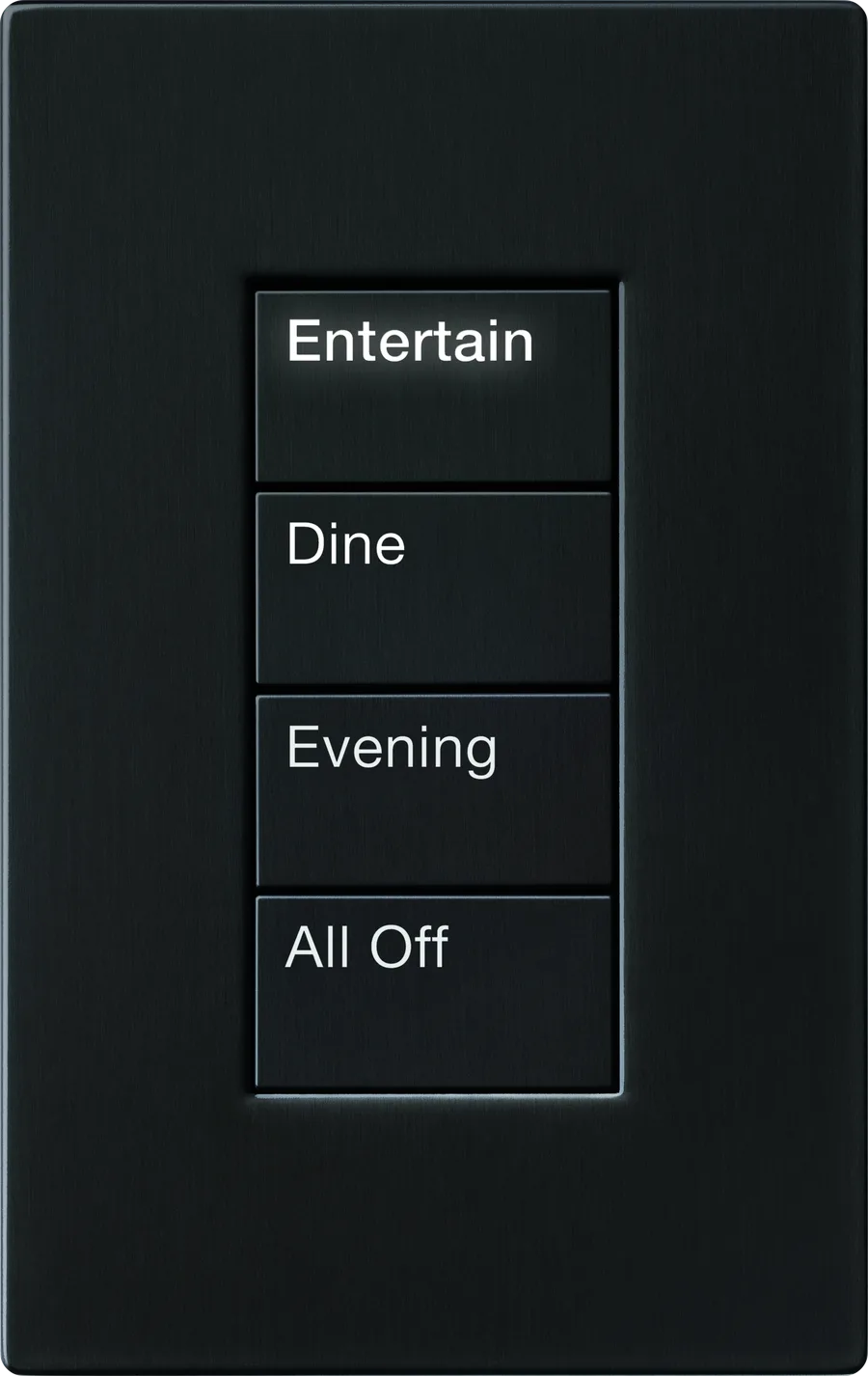
- Palladiom · black
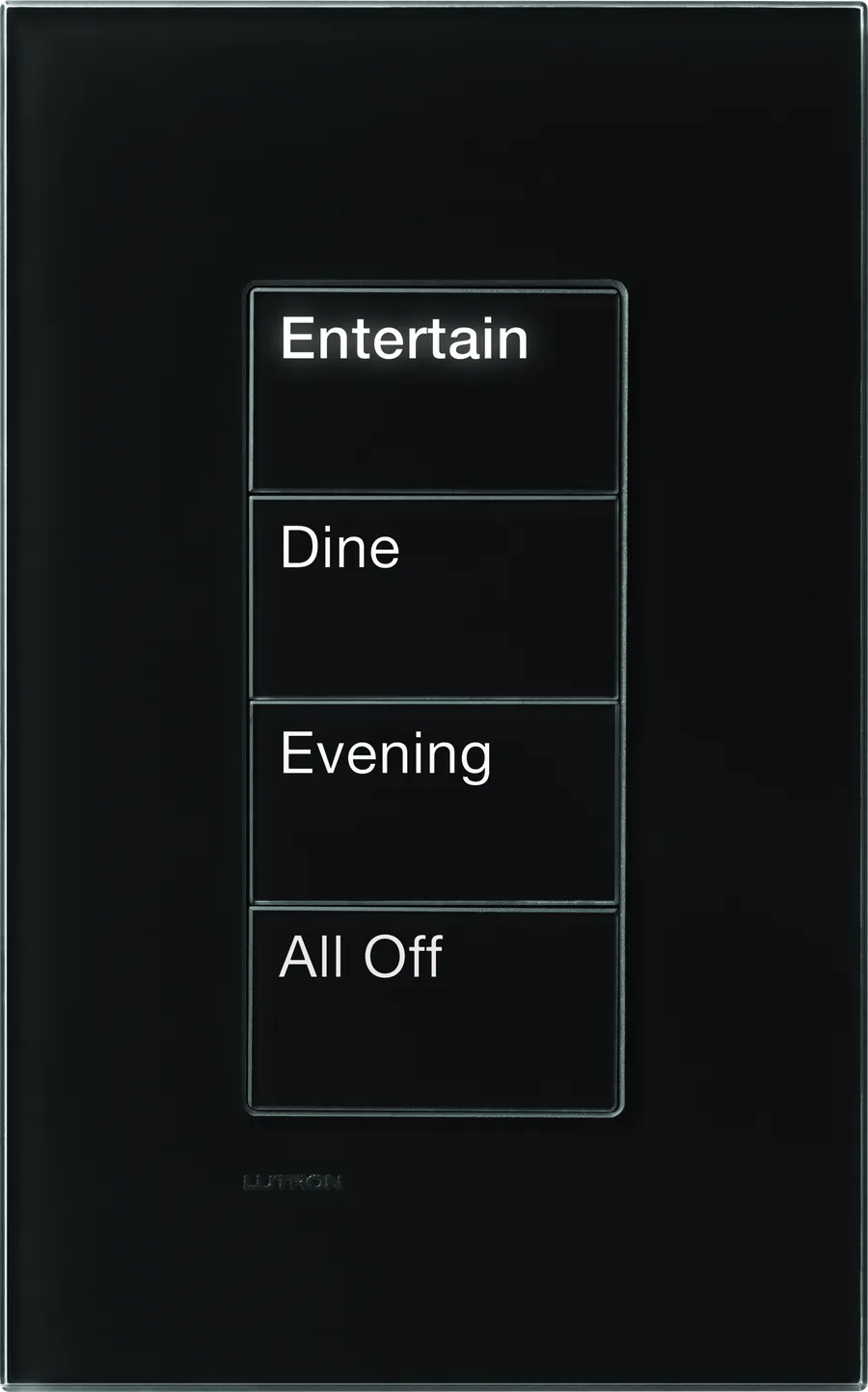
- Palladiom · white
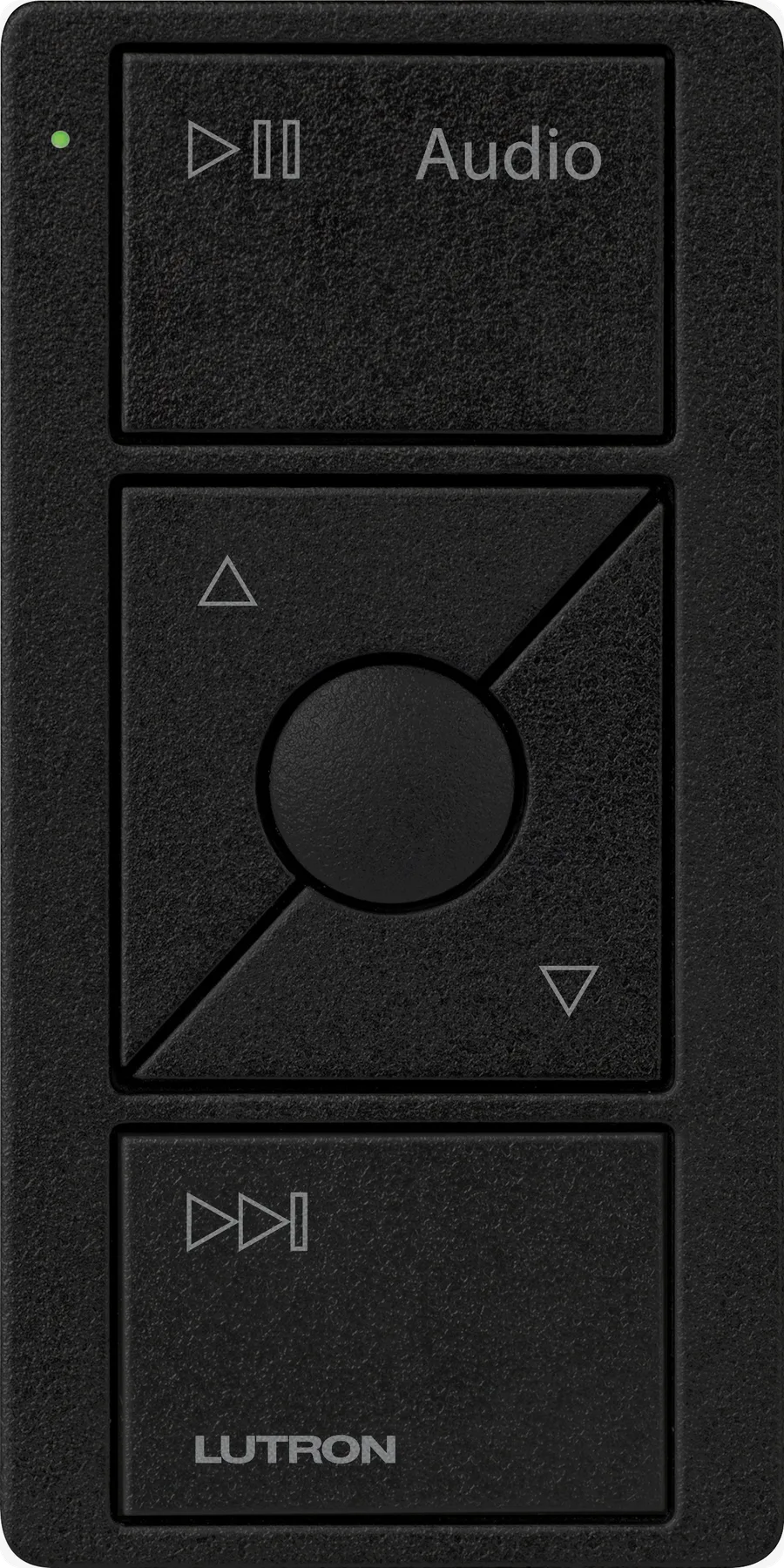
- Pico · black
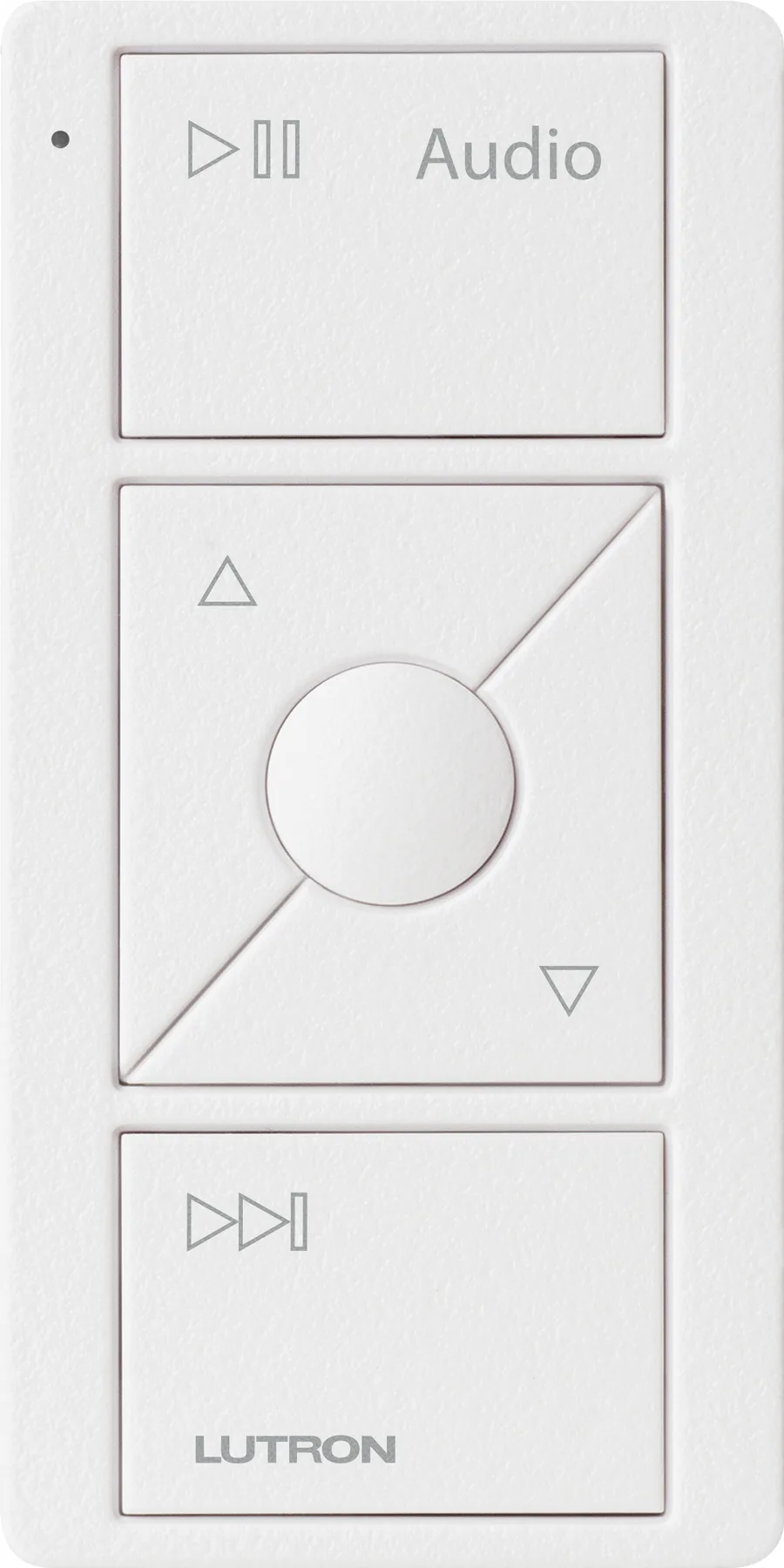
- Pico · white
Options
Manufacturer literature
Product brochures published by Lutron Electronics, whose systems we install. Each opens in a new tab.
Take a look at some of our commercial work
A building that spends light where it is needed, and can show you where that was.
Talk to us about your project